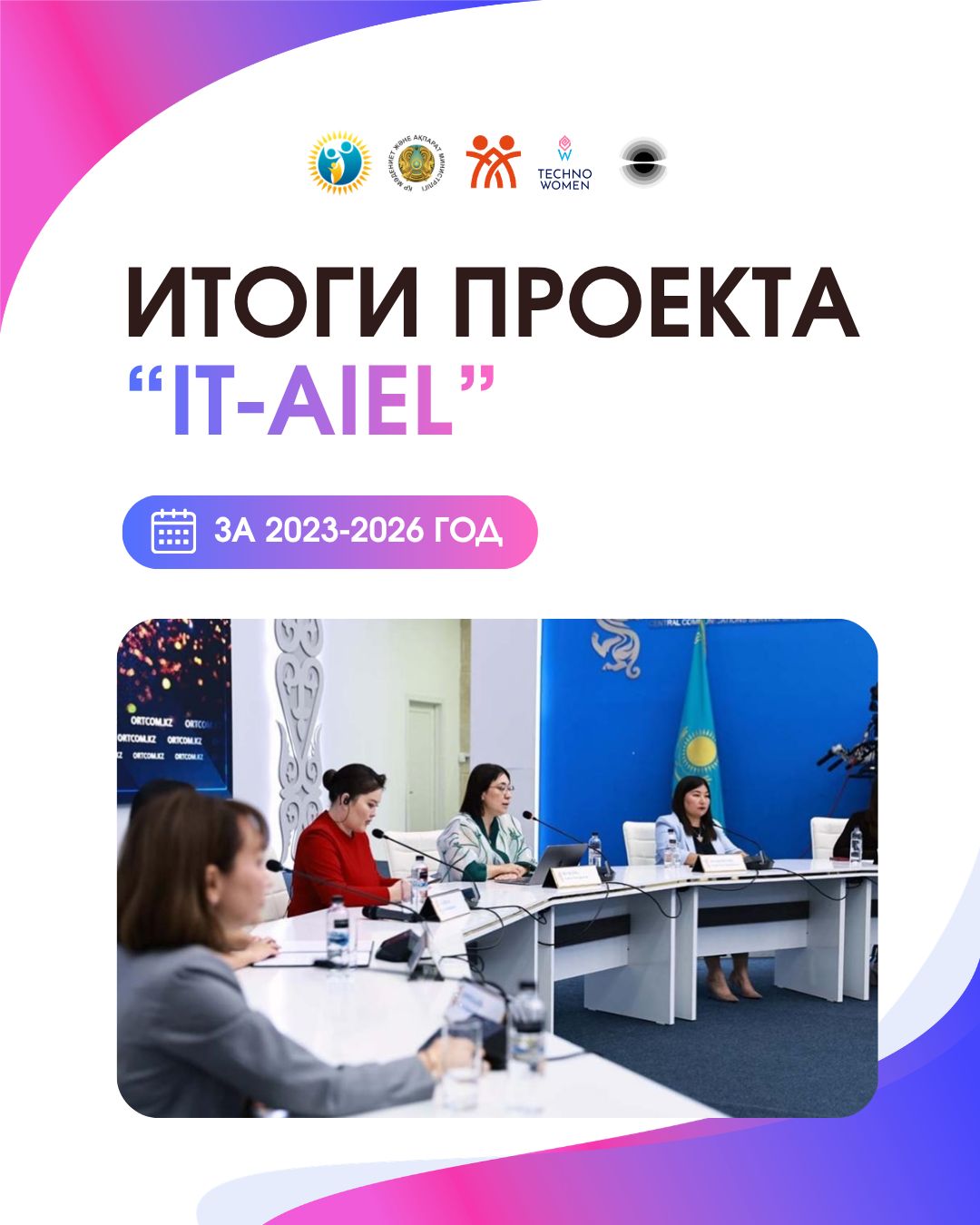
The “IT-AIEL” project, implemented with the support of the Ministry of Culture and Information of the Republic of Kazakhstan in partnership with organizations including TechnoWomen, has summarized four years of work aimed at engaging Kazakhstani women in the information technology sector. Between 2023 and 2026, the project brought together 21,000 women from every region of the country.
Annual Participation Dynamics
The highest influx of participants occurred in 2024, with more than 11,000 women joining the project. In 2025, the figure declined to roughly 4,100 participants, before rising again in 2026 to approximately 5,700 women. This pattern reflects both the phased implementation of the project and its expanding reach to new audience groups in the current year.
Geographic Coverage
The largest share of participants is concentrated in the country’s major cities. Astana leads with 31.1%, followed by Almaty at 20.5%. Shymkent accounts for 5.4% of participants. Among the regions, the most active were Karaganda (4.6%), Aktobe (3.8%), Kostanay (3.2%), Mangistau (3%), Atyrau (2.6%), Pavlodar (2.3%), East Kazakhstan (2.2%) and North Kazakhstan (1.1%). The remaining regions of the country are also represented among the participants.
The urban-to-rural ratio stood at 87.5% to 12.5%, showing that while the project predominantly reached urban residents, it retained a meaningful share of participants from rural areas.
Age Structure of Participants
The largest age group was 36–45 years old, comprising 2,162 participants. This was followed by the 28–32 age group (866 people), and the 46–58 and 33–35 age groups, each with 828 participants. The 23–27 age group included 527 women, while the 17–22 group accounted for 401 participants. The least represented groups were 58 and older (90 people) and 13–16 (46 people). This distribution indicates that the project primarily attracts women of working age.
Education Level
The vast majority of participants – 62.1% – hold a higher education degree. A further 16.1% hold a PhD, reflecting the strong academic potential of the project’s audience. Secondary specialized education was reported by 12.9% of participants, and secondary education by 8%.
Employment Status
The employment structure of participants reflects a wide variety of life circumstances. The largest group consists of women employed by an organization (1,967 people). Significant shares are made up of temporarily unemployed women (1,348) and those on maternity leave (1,164). Self-employment was reported by 734 participants, while 678 indicated another employment status. Students accounted for 396 participants, and retirees for 39.
Marital Status
Among participants, 56.9% are married, while 43.1% are unmarried. The project demonstrates strong demand among both married and unmarried women.
Social Inclusiveness
The project places particular attention on socially vulnerable groups. Among the 5,748 participants who answered the relevant survey question, 38 are graduates of orphanages – confirming that the project remains open and accessible to representatives of vulnerable social groups.
Conclusion
The results of the “IT-AIEL” project for 2023–2026 demonstrate the sustained interest of Kazakhstani women in developing digital competencies and advancing their careers in information technology. The project’s broad geographic reach, diversity of age groups, and varied social backgrounds of its participants confirm that it has become a significant tool for supporting women on their path to professional and digital self-realization.