In the context of the rapid digital transformation of Kazakhstan’s economy, the inclusion of women and small businesses in e-commerce has become strategically important. The development of e-commerce not only expands economic opportunities but also creates sustainable employment mechanisms, particularly for women, self-employed individuals, and micro-entrepreneurs.
According to international research, expanding women’s access to the digital economy directly contributes to GDP growth and improved living standards. At the same time, women’s jobs remain more vulnerable to automation, highlighting the need for reskilling and strengthening digital competencies.
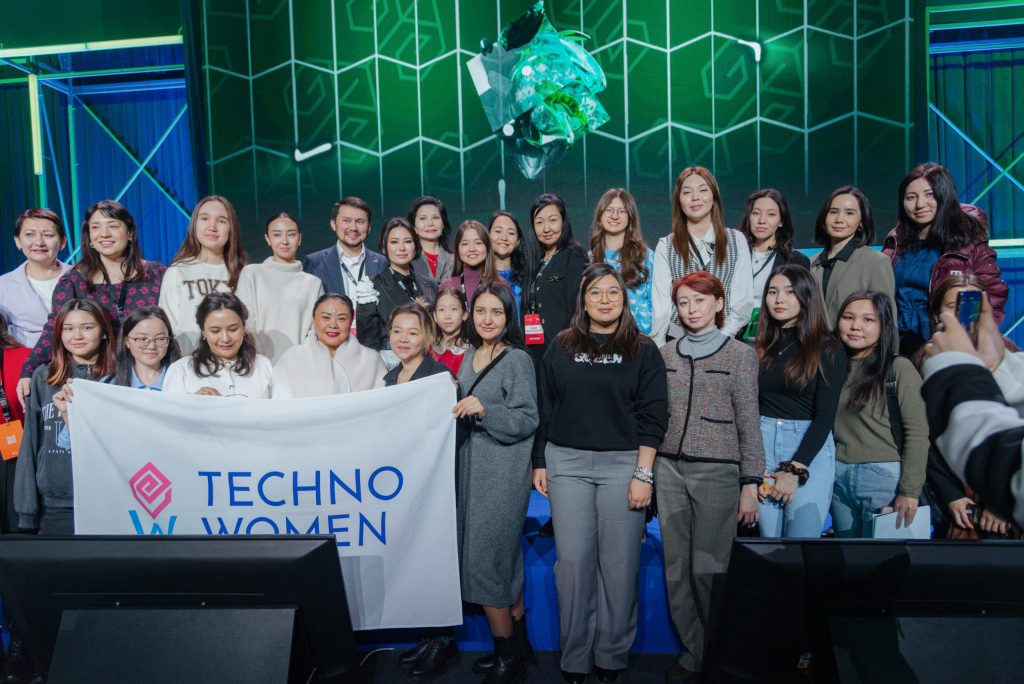
To support women’s participation in the digital economy and expand their entrepreneurial opportunities, TechnoWomen has established an initiative working group focused on e-commerce development and seller support.
Improving the Tax and Regulatory Environment
In 2025, TechnoWomen representatives participated in discussions on the new Tax Code of the Republic of Kazakhstan, including retail tax regulations for sellers.
Together with the Tax Alliance of Kazakhstan, a joint appeal was submitted to preserve the right to apply special tax regimes for all types of IT-related activities.
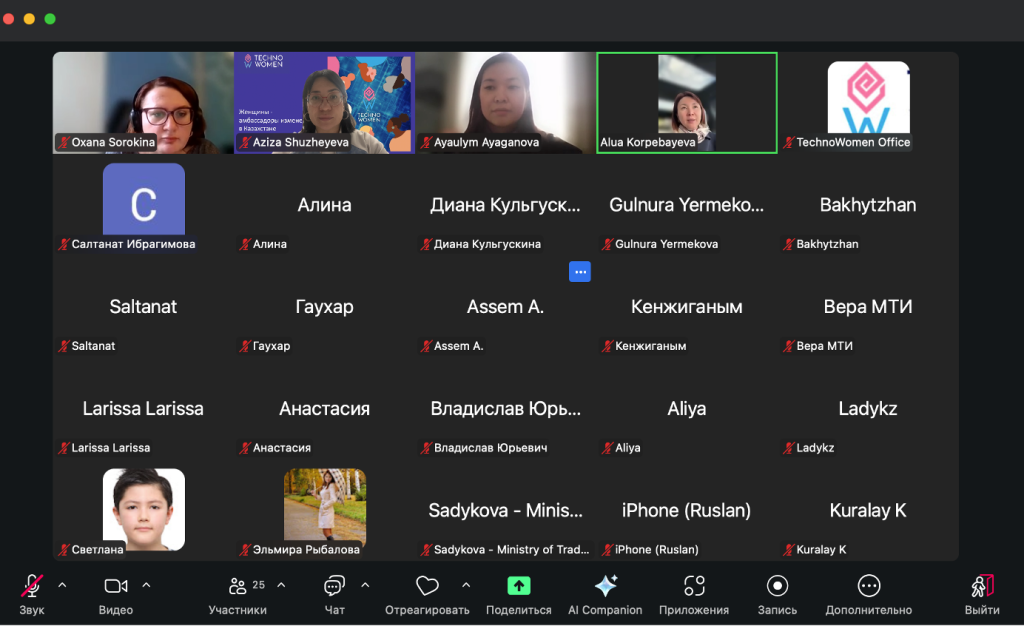
On February 15, 2025, an online conference for sellers was held to discuss new tax regimes.
On September 30, 2025, the international online conference
“E-commerce 2025–26 in Central Asia: Taxation Rules and Growth Strategy”
was organized to address taxation frameworks and cross-border trade development.
 SME Engagement in E-commerce
Building upon the “Qazaq e-com” initiative, TechnoWomen continues to promote a comprehensive set of measures aimed at:
-
improving transparency in product certification;
-
simplifying tax administration;
-
strengthening digital competencies of micro and small entrepreneurs;
-
supporting women artisans and SMEs in entering marketplace platforms.
Despite the growth of the e-commerce market, access to major platforms remains limited for some artisans and rural entrepreneurs. The development of niche marketplaces and logistics infrastructure is essential for expanding this sector.
Partnerships and Infrastructure
The promotion of e-commerce involves cooperation with national operators and logistics providers.
Kazpost plays a key role in transforming into an integrated financial and logistics operator of e-commerce. The development of fulfillment centers, end-to-end logistics services, internet acquiring, and preferential tariffs for women artisans creates additional opportunities for women entrepreneurs.
Expanding cashless payments, transitioning to electronic receipts, and developing unified logistics infrastructure across Central Asia will increase investment volumes and strengthen Kazakhstan’s position as a regional e-commerce hub.
Supporting Women in Technology Entrepreneurship
To promote women’s entrepreneurship, TechnoWomen organizes presentations of women-led IT projects to government institutions, regional authorities, and international business communities.
The launch of the “TechnoWomen Startup” acceleration program is proposed to support women-led technology projects, encourage digital innovation, and expand the use of AI tools in entrepreneurship.
Additionally, the creation of an open Artificial Intelligence laboratory at Kazakh universities is being considered to train students and SME representatives in the practical application of AI solutions.
Regional and International Dimension
TechnoWomen has developed a partnership network across Central Asia, bringing together women professionals from Kyrgyzstan, Uzbekistan, and Tajikistan.
Digital initiatives are promoted on international platforms and forums, showcasing successful cases of digital transformation led by Kazakhstani women.
TechnoWomen Central Asia is evolving into a regional civic movement that fosters technological business development and digital economic integration across the region.
The development of e-commerce and digital entrepreneurship requires close collaboration between government, business, and civil society.
In the context of labor market transformation, women must continuously upgrade their digital skills and actively participate in the digital economy.